The Advantages of Folding Garage Doors vs. Roll-Up Garage Doors
Choosing the right garage door is an important decision for both residential and commercial property owners. While traditional roll-up garage doors have long been a popular choice, folding garage doors are becoming increasingly popular due to their modern appearance, space-saving design, and superior functionality. Whether you’re upgrading a residential garage, commercial warehouse, fire station, or industrial facility, understanding the differences between folding garage doors and roll-up garage doors can help you make the best investment.
In this guide, we’ll compare folding garage doors vs. roll-up garage doors, examining their benefits, drawbacks, and the situations where each option performs best.
What Is a Folding Garage Door?
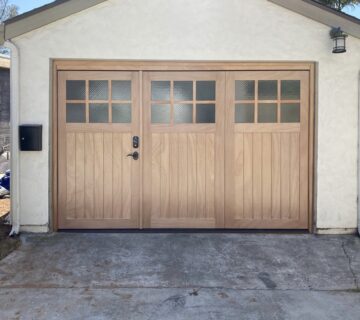
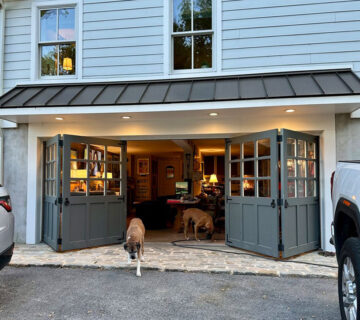
A folding garage door consists of multiple hinged panels that fold neatly to one or both sides when opened. Unlike traditional overhead doors, folding doors do not require tracks running across the ceiling or a large overhead storage area.
These doors are commonly used for:
- Residential garages
- Aircraft hangars
- Automotive service centers
- Fire stations
- Commercial buildings
- Industrial warehouses
- Agricultural facilities
Modern folding garage doors are available in aluminum, steel, insulated panels, glass, and custom finishes to complement virtually any architectural style.
What Is a Roll-Up Garage Door?
Roll-up garage doors use horizontal slats that roll into a compact coil above the door opening. They are widely used in commercial buildings, storage facilities, warehouses, and residential garages.
Roll-up doors are known for:
- Durability
- Simple operation
- Security
- Low maintenance
While they remain a popular solution, they are not always the ideal choice for every application.
Advantage #1: Better Use of Interior Space
One of the biggest advantages of folding garage doors is the efficient use of interior space.
Unlike roll-up doors that require overhead tracks or a large coiling drum, folding garage doors open by folding to the side. This leaves the ceiling completely clear.
Benefits include:
- More overhead storage
- Better lighting placement
- Easier installation of ceiling-mounted equipment
- Increased vertical clearance
- Cleaner interior appearance
For commercial facilities with cranes, lifts, or high ceilings, maximizing overhead space can significantly improve operations.
Advantage #2: Faster Opening and Closing
Many folding garage door systems open considerably faster than traditional roll-up doors.
This is especially important for:
- Fire stations
- Emergency response buildings
- Commercial delivery facilities
- Warehouses
- Fleet maintenance facilities
Faster door operation improves workflow while reducing heat loss and energy consumption.
Advantage #3: Modern Architectural Appearance
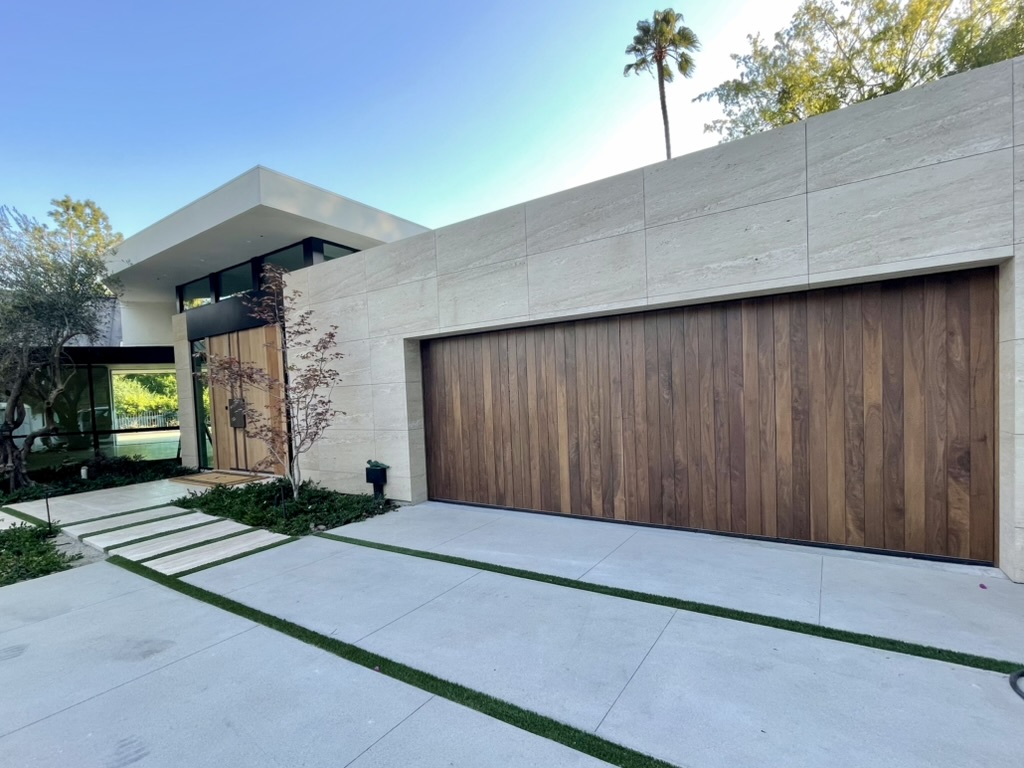
Folding garage doors offer a sleek, contemporary appearance that complements modern architecture.
They are available with:
- Full-view glass panels
- Aluminum frames
- Powder-coated finishes
- Custom colors
- Wood-look finishes
- Large glass sections
Many architects prefer folding garage doors because they create an attractive, upscale appearance for both residential and commercial properties.
Roll-up garage doors often have a more industrial appearance, which may not match every building design.
Advantage #4: Improved Energy Efficiency
Insulated folding garage doors provide excellent thermal performance.
High-quality insulated panels help:
- Reduce heating costs
- Lower cooling expenses
- Improve indoor comfort
- Reduce outside noise
- Maintain consistent interior temperatures
Businesses that rely on climate-controlled environments often benefit from the improved insulation offered by folding garage doors.
Advantage #5: Larger Clear Openings
Folding garage doors can provide nearly the entire door opening without requiring a large overhead roll or bulky track system.
This is particularly beneficial for:
- Aircraft hangars
- RV garages
- Large equipment storage
- Industrial buildings
- Agricultural facilities
Larger clear openings make it easier to move oversized vehicles and equipment.
Advantage #6: Less Ceiling Obstruction
Traditional roll-up doors require:
- Overhead tracks
- Torsion springs
- Roller assemblies
- Coiling drums
These components occupy valuable ceiling space.
Folding garage doors eliminate much of this overhead hardware, creating a cleaner, more open interior.
This additional space allows for:
- Better lighting
- HVAC installation
- Storage systems
- Mechanical equipment
- Overhead cranes
Advantage #7: Quiet Operation
Modern folding garage doors generally operate more quietly than many roll-up systems.
Because the door panels fold smoothly rather than rolling through long metal tracks, they often produce:
- Less vibration
- Less rattling
- Less operational noise
Quiet operation is particularly beneficial for:
- Luxury homes
- Office buildings
- Hospitals
- Schools
- Mixed-use developments
Advantage #8: Easy Maintenance
Both folding and roll-up garage doors require maintenance, but folding doors typically have fewer moving components running along lengthy overhead tracks.
Routine maintenance generally includes:
- Lubricating hinges
- Inspecting rollers
- Checking weather seals
- Cleaning guide tracks
- Adjusting hardware
Preventive maintenance helps extend the lifespan of either type of garage door.
When Roll-Up Garage Doors May Be the Better Choice
Although folding garage doors offer many advantages, roll-up garage doors still perform well in certain situations.
Roll-up doors may be preferred when:
- Budget is the primary concern
- Security is the highest priority
- The opening is relatively small
- A simple industrial solution is needed
- Space beside the opening is limited
Roll-up doors have earned a strong reputation for durability and long service life in demanding commercial environments.
Which Garage Door Offers Better Security?
Both folding and roll-up garage doors can provide excellent security when equipped with modern locking systems.
Security features may include:
- Heavy-duty steel construction
- Automatic locking systems
- Reinforced hinges
- Access control integration
- Smart garage door openers
- Alarm system compatibility
Choosing a quality manufacturer and professional installation is often more important than the door style itself.
Cost Comparison
The cost of a garage door depends on several factors:
- Door size
- Material
- Insulation
- Automation
- Custom finishes
- Installation complexity
In general:
- Roll-up garage doors often have a lower initial purchase price.
- Folding garage doors may require a larger upfront investment but can offer long-term value through improved energy efficiency, enhanced aesthetics, and better space utilization.
When evaluating cost, it’s important to consider the total cost of ownership, including maintenance, energy savings, and operational efficiency.
Which Garage Door Is Right for You?
The best choice depends on your property’s needs.
A folding garage door may be ideal if you want:
- Modern appearance
- Maximum ceiling clearance
- Better insulation
- Faster operation
- Large clear openings
- Architectural appeal
A roll-up garage door may be better if you need:
- A cost-effective solution
- Simple installation
- Proven durability
- Compact overhead storage
- Industrial functionality
Final Thoughts
When comparing folding garage doors vs. roll-up garage doors, it’s clear that both options offer unique advantages. However, folding garage doors continue to grow in popularity because of their sleek appearance, efficient use of space, fast operation, and outstanding versatility.
Whether you’re upgrading a residential garage or designing a commercial facility, investing in the right garage door can improve security, energy efficiency, functionality, and curb appeal for years to come.
Before making your decision, consult with an experienced garage door professional who can evaluate your building, discuss your operational needs, and recommend the best solution for your property. By selecting the right door system, you’ll enjoy reliable performance, enhanced aesthetics, and long-term value.