The Advantages of Folding Garage Doors Compared with Traditional Garage Doors
Choosing the right garage door can make a significant difference in your property’s appearance, functionality, and everyday convenience. While traditional garage doors remain a popular choice for residential and commercial properties, folding garage doors offer an alternative that combines modern design with flexible opening options. For homeowners, architects, and business owners looking to create a distinctive space, understanding the advantages of folding garage doors can help you make the right investment.
Whether you are upgrading an existing garage, designing a modern home, or improving a commercial property, folding garage doors provide several benefits worth considering.
1. A Modern and Attractive Appearance
One of the biggest advantages of folding garage doors is their contemporary appearance. Traditional overhead garage doors typically consist of horizontal panels that move upward along ceiling-mounted tracks. Although they are available in many styles, their design can sometimes limit the architectural statement you want to achieve.
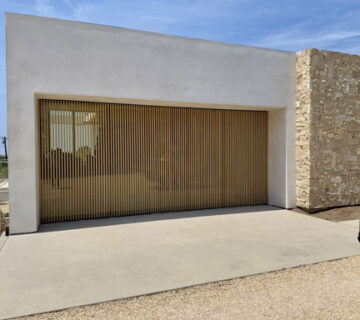
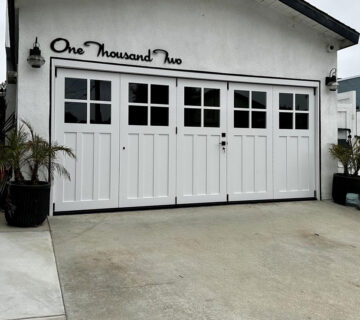
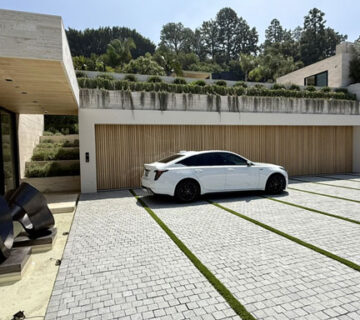
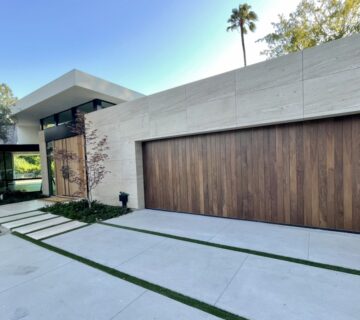
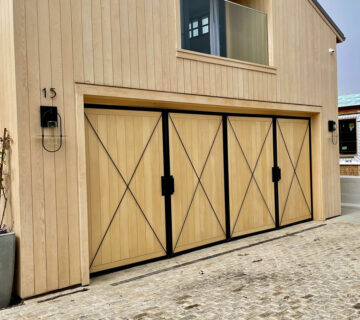
Folding garage doors create a different visual effect. Their panels fold together as the door opens, providing a clean, distinctive look that complements modern, contemporary, and industrial-inspired architecture.
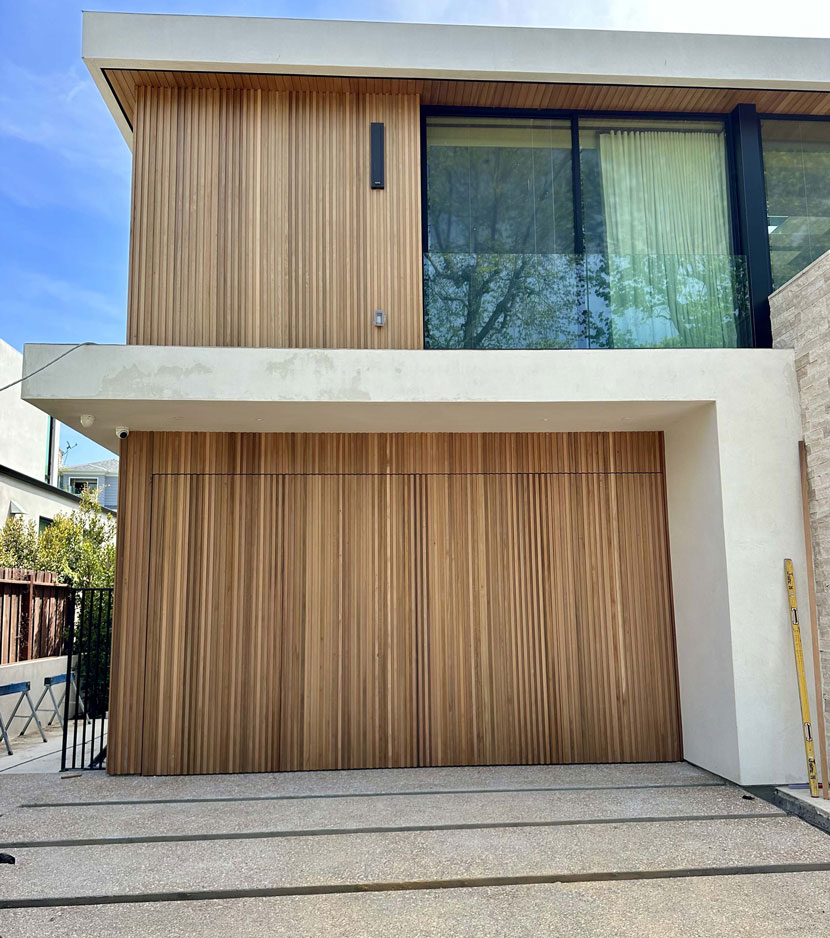
Homeowners can explore different panel materials, colors, finishes, and glazing options to coordinate the door with the exterior of their property. Depending on the design, folding doors can become a prominent architectural feature rather than simply an entry point for vehicles.
2. More Flexible Opening Options
Traditional sectional garage doors generally open vertically and remain beneath the ceiling when fully raised. This arrangement works well for many garages, but it can restrict how the overhead space is used.
Folding garage doors operate differently. Their panels fold along hinges, allowing the door to open in a compact configuration. Depending on the system, folding doors may be designed to open partially or fully, offering flexibility for different applications.
This can be particularly useful for garages, workshops, commercial spaces, and other areas where convenient access is important. Some folding door systems can also create a wider, more open connection between indoor and outdoor spaces.
Before selecting a system, consider the opening dimensions, panel configuration, available clearance, and how frequently the door will be operated.
3. Better Use of Overhead Space
Traditional overhead garage doors require sufficient ceiling clearance for tracks, springs, and the door panels as they move into the open position. This hardware can affect the placement of lighting, storage racks, ceiling-mounted equipment, and other features.
Folding garage doors may reduce the need for certain overhead track arrangements, depending on their design. This can provide greater flexibility when planning the interior of a garage or commercial workspace.
For properties with limited ceiling clearance or specialized equipment, this difference may be an important consideration. However, folding doors still require adequate space for their folded panels, hinges, tracks, and operating mechanisms. A professional assessment can help determine whether the system suits the available space.
4. Create a Seamless Indoor-Outdoor Connection
Folding garage doors can be especially appealing for properties designed to connect indoor and outdoor living areas.
When installed in suitable openings, folding doors can open a garage, workshop, or multipurpose room toward a driveway, patio, courtyard, or outdoor entertaining area. This can make the space feel more open and versatile.
For example, a homeowner might use a garage as a hobby room, fitness area, or entertainment space. Opening the folding door can improve access and allow more natural ventilation when weather conditions are suitable.
Commercial properties can also benefit from this flexibility. Certain showrooms, studios, and hospitality spaces may use folding doors to create a more inviting connection with their surroundings.
5. Design Versatility for Residential and Commercial Properties
Folding garage doors are available in configurations that suit a range of applications. Depending on the manufacturer and product, options may include different numbers of panels, glazing styles, frame materials, colors, and finishes.
Residential applications may include modern garages, custom homes, workshops, and accessory buildings. Commercial uses can include service areas, retail spaces, storage facilities, and other buildings that benefit from flexible access.
Traditional garage doors also offer many design options, including steel, wood, composite finishes, and decorative windows. The advantage of folding doors is not that traditional doors lack customization, but that folding configurations provide a distinctive combination of appearance and opening functionality.
6. Potential Benefits for Ventilation and Natural Light
Folding garage doors with glass panels can help bring natural light into a space when the doors are closed. Depending on the design, opening the doors can also increase airflow between the interior and exterior.
These features may benefit workshops, studios, and multipurpose rooms where natural light and ventilation are desirable.
The performance of a folding door depends on its glazing, seals, frame construction, and installation. Insulated panels and suitable weather seals may be available for certain models, but buyers should compare the actual thermal and weather-performance specifications rather than assuming all folding doors provide the same insulation.
7. Important Factors to Consider Before Choosing Folding Garage Doors
Although folding garage doors offer many advantages, they are not automatically the best solution for every property.
Initial cost: Folding door systems may cost more than some standard garage doors, depending on their materials, dimensions, hardware, and installation requirements.
Maintenance: Hinges, tracks, rollers, seals, and other moving components require appropriate inspection and maintenance.
Security: Compare locking mechanisms, frame strength, panel construction, and available security features before purchasing.
Weather resistance: If the door is exposed to wind-driven rain or extreme weather, check the manufacturer’s tested performance ratings and installation requirements.
Space requirements: Folding panels need room to fold and stack. Measure the opening and surrounding areas carefully.
Professional installation: Correct measurements, suitable structural support, and proper installation are important for smooth operation and long-term reliability.
Comparing these factors with the cost and performance of a traditional sectional or single-panel garage door will help you choose a solution that meets your needs.
Conclusion: Are Folding Garage Doors Worth Considering?
Folding garage doors offer an attractive alternative to traditional garage doors for property owners who value modern design, flexible access, and efficient use of space. Depending on the system, they can help create wider openings, reduce reliance on conventional overhead tracks, and connect indoor spaces with patios, driveways, and other outdoor areas.
Traditional garage doors remain an excellent choice for many properties, particularly when simplicity, familiarity, and cost are priorities. The best option depends on your building’s design, available space, budget, insulation needs, and intended use.
By comparing door configurations, materials, security features, and installation requirements, you can select a garage door that complements your property and supports your everyday needs. Folding garage doors are worth exploring if you want a distinctive design that combines practical functionality with a modern architectural appearance.